




How to Find the G-Spot: A Science-Based Guide to Comfortable Exploration
Wondering how to find the G-spot? You are not alone. The idea of a single, hidden pleasure button is popular, but human anatomy is a little more complicated—and much more individual—than that.

Rather than thinking of the G-spot as one exact point that everyone should be able to locate, it can be more useful to think of it as a potentially sensitive area along the front wall of the vagina. Some people experience increased sensitivity there, while others notice very little difference. Both experiences are completely normal.
What Is the G-Spot, Exactly?
The term “G-spot” is commonly used to describe an area inside the vagina that some people report as especially sensitive to pressure or stimulation. However, it should not be understood as a separate organ with the same clearly defined position in every body.
Modern discussions of sexual anatomy increasingly recognize that pleasurable sensations in this region may involve several nearby structures rather than one isolated spot. The internal portions of the clitoris, tissue surrounding the urethra, vaginal wall, and surrounding nerves may all contribute to what an individual experiences.
That is why two people can explore the same general area and describe completely different sensations.
Where Is the G-Spot Located?
When people ask where the G-spot is, the most common description points to the front wall of the vagina—the side facing the abdomen rather than the back.
For some people, an area a short distance inside may feel slightly different in texture or become more noticeable when aroused. Others may not notice a distinct change at all.
Instead of searching for a precise measurement, think in terms of a general zone. Bodies vary, arousal changes how tissues feel, and sensitivity can even vary from one day to another.
How to Find the G-Spot Area Comfortably
If you want to explore the area, comfort matters more than precision. Rushing, using too much pressure, or focusing too heavily on “finding the spot” can make the experience less enjoyable.
Start with relaxation and arousal
Give the body time to become comfortable and aroused before focusing on internal stimulation. Increased blood flow can make sensitive areas easier to notice.
Use enough lubrication
Lubrication reduces unnecessary friction and makes it easier to explore different angles and levels of pressure comfortably.
Focus on the front vaginal wall
The area commonly associated with G-spot stimulation is located along the vaginal wall facing the abdomen. Gentle, gradual pressure is usually more useful than aggressive movement.
Experiment with pressure instead of speed
Many people who enjoy stimulation in this area prefer steady or rhythmic pressure. Faster movement is not automatically better.
Pay attention to sensation
Sensations can range from pleasurable pressure to fullness or increased sensitivity. If something feels uncomfortable or painful, stop or adjust the pressure and angle.
Can a G-Spot Vibrator Make Exploration Easier?
It can. Fingers work perfectly well for exploration, but a toy designed with a curved shaft can make it easier to maintain consistent contact with the front vaginal wall without having to hold the wrist at an uncomfortable angle.
If you are shopping for a G-spot vibrator, look for a body-safe material, an ergonomic curve, multiple intensity settings, and a shape that feels manageable rather than intimidating.

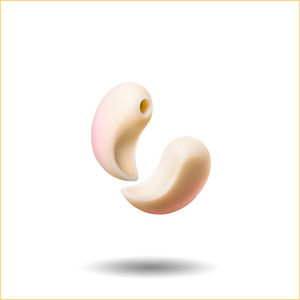
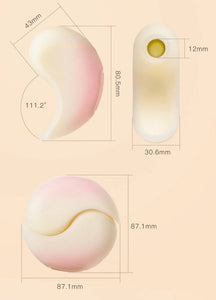
OSUGA OsuRing G-Spot Upturned Vibrator
Designed with a gentle upward curve to make targeted front-wall stimulation easier. A great option for anyone who wants more consistent pressure and adjustable vibration during exploration.
- Ergonomic curved shape
- Multiple vibration levels
- Body-safe, easy-to-clean material
- Suitable for solo or partner exploration
Do You Need Lubricant for G-Spot Stimulation?
Lubricant is not mandatory, but it can make exploration significantly more comfortable. This is especially useful when experimenting with different angles or using a toy for a longer period of time.
A high-quality water-based lubricant is a versatile choice because it works with most toy materials and is generally easy to wash away. Always follow the care instructions supplied with your specific product.

Toko Aqua Water Based
A smooth water-based formula designed to reduce friction and support comfortable exploration with fingers or compatible intimate toys.
- Light, smooth texture
- Easy to rinse away
- Suitable for most intimate toys
- Made for added comfort
5 Common G-Spot Exploration Mistakes
1. Treating it like a hidden button
One of the biggest misconceptions is that there is one tiny point that must be found. Looking for a broader sensitive area usually makes exploration feel less stressful and more natural.
2. Using too much pressure too quickly
More pressure does not necessarily create more pleasure. Start gently and increase intensity only when it feels comfortable.
3. Skipping lubrication
Unnecessary friction can turn exploration into discomfort. Adding lubricant is one of the easiest ways to improve comfort.
4. Expecting an orgasm
G-spot stimulation does not guarantee orgasm, and it does not need to lead to orgasm to be enjoyable. Pleasure can take many forms.
5. Comparing your body with someone else's
Sexual sensitivity is highly individual. A technique or toy that works well for one person may feel neutral to another. Exploration should be based on personal comfort and feedback rather than expectations.
How to Choose a G-Spot Toy
If you are considering a toy specifically for G-spot stimulation, keep the buying decision simple. The best option is usually one that prioritizes comfort and control.
- Look for a gentle curve: It can help maintain contact with the front vaginal wall.
- Choose body-safe materials: Quality materials also make cleaning and maintenance easier.
- Prioritize adjustable intensity: Different bodies prefer different levels of vibration and pressure.
- Consider handle design: A comfortable grip can make it easier to control angle and pressure.
- Check compatibility: Follow the manufacturer's guidance for lubricant, charging, cleaning, and storage.
G-Spot FAQ
Is the G-spot in the same place for everyone?
No. There is no universally agreed exact location or level of sensitivity. Anatomy and sexual response vary from person to person.
What does the G-spot feel like?
Experiences vary. Some people describe a sensitive area or increased pressure along the front vaginal wall, while others do not notice a distinct sensation.
How long does it take to find the G-spot?
There is no standard amount of time. It is better to focus on comfortable exploration than to treat the experience as a search with a deadline.
Do you need a G-spot vibrator?
No. A toy is optional. However, a curved vibrator may make it easier for some people to experiment with angle, pressure, and consistent stimulation.
What if G-spot stimulation does not feel good?
That is completely normal. Not everyone enjoys the same type of stimulation. Stop if you experience pain and focus on sensations and activities that feel comfortable for you.
The Bottom Line
Learning how to find the G-spot is less about discovering a secret anatomical button and more about understanding your own body's responses.
Explore gradually, use lubrication when helpful, communicate clearly with a partner, and remember that there is no single “correct” result.
For people who enjoy front-wall stimulation, a curved G-spot vibrator can make experimenting with pressure and angle easier, while a water-based lubricant can help keep the experience smooth and comfortable.
This article is intended for adults aged 18+ and is provided for general educational purposes only. It is not medical advice. If you experience persistent pain, bleeding, numbness, or other concerning symptoms during sexual activity, consult a qualified healthcare professional.
Sample Product Widget


